
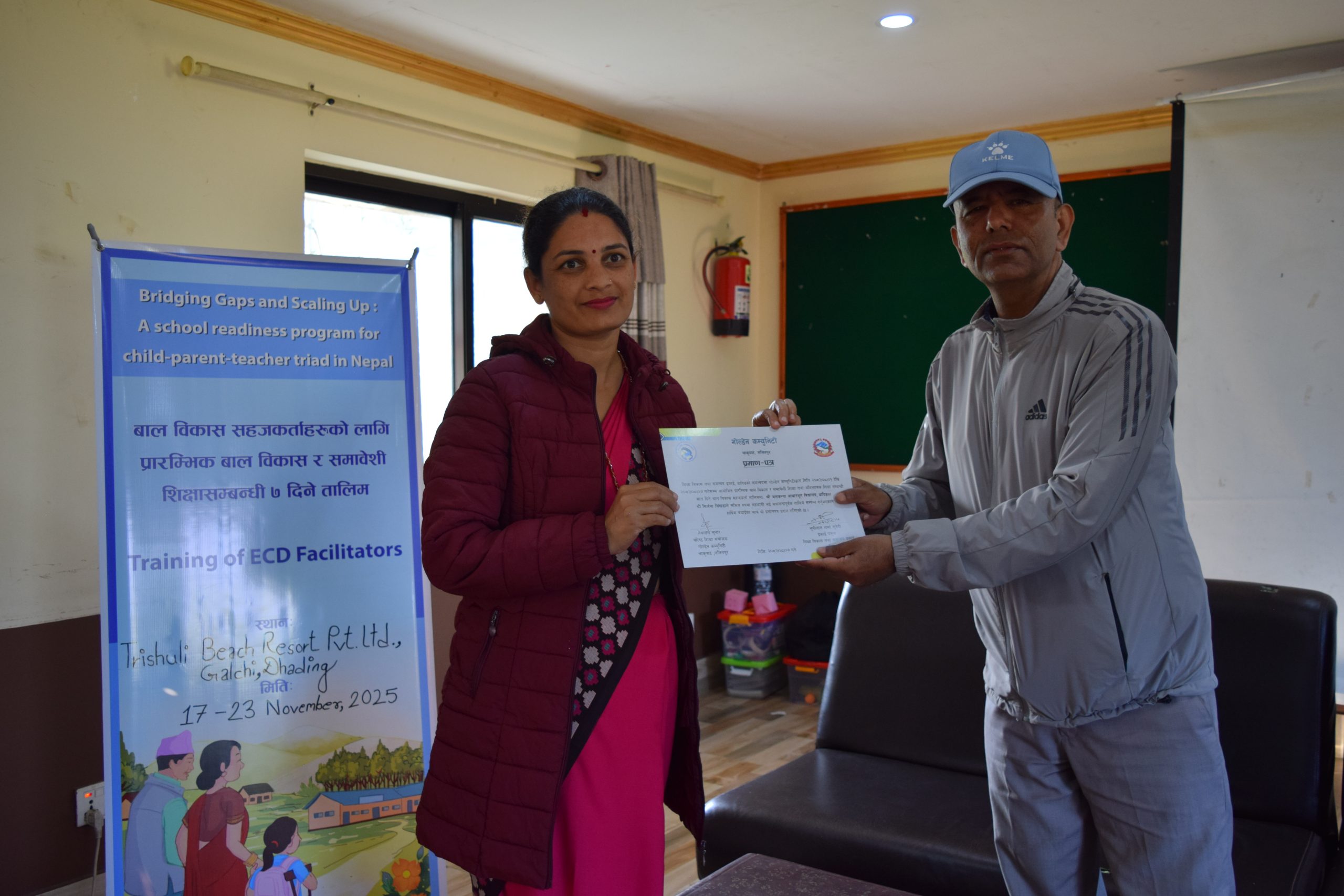
Bridging Gaps and Scaling Up: a school readiness program for child-parent-teacher triad in Nepal
- Overview
- Objectives
- Events
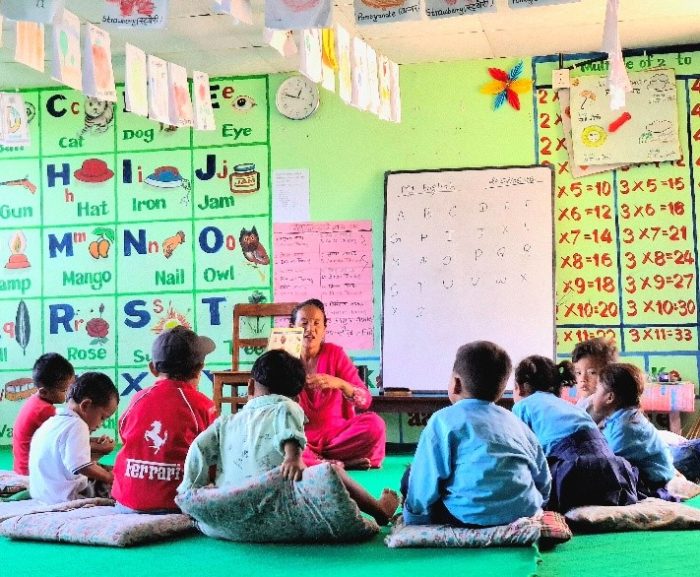
Despite the existence of pre-primary education policies in 48% of low- and middle-income countries, significant disparities persist in learning, development and the school readiness. While Nepal’s has established policy commitments to early childhood development, significant gaps remain in delivering quality pre-primary education, particularly in rural areas and for marginalized communities including children with disabilities. Key challenges include inadequately trained teachers, limited inclusive education practices, insufficient parental engagement, and poor learning environments during the critical developmental period. These gaps result in children entering primary school unprepared, leading to poor learning outcomes, higher dropout rates, and widening educational inequalities that undermine long-term educational success.
Every Newborn Reach Up Early Education Intervention for All Children (EN-REACH) project was successfully implemented in five districts of Gandaki Province, including a cohort of children born at the Western Regional Hospital in Ramghat, Pokhara. Best practices and evidence from EN-REACH were then used to scale up the early childhood development (ECD) education intervention to 24 schools in the Nuwakot and Dhading districts. This research project is supported by GPE KIX for a period of 33 months. We have taken a triad approach to make teachers, parents and communities ready to prepare the young children (between 4 to 7 years of age) for the school. In close collaboration with national ECD experts, central, district and local level stakeholders, a customized inclusive teacher training manual will be developed in adherence to the national ECD curriculum. Simultaneously, the ENREACH parenting manual, endorsed by the Central Education Human Resources Development (CEHRD), will be adapted to make it more relevant and effective. Master trainers from districts and municipalities will be trained at the national training center and will then train ECD teachers. Thus, teachers will gain the skills needed to include children with disabilities and implement the ECD approach. The ECD teachers will also take the role of facilitators, conducting sessions with parents to prepare children for Grade 1 together. There will be structured, periodic supervision of classes by the trainers, including the parenting sessions.
- Train teachers using a new approach that brings together children, parents, teachers, and the wider community—making sure everyone, including children with disabilities, can participate and learn together.
- Study what helps this program succeed and expand to reach more people, including understanding what it costs and whether it’s affordable to grow.
- Share the program’s results with education stakeholders and policymakers for encouraging them to adopt these inclusive practices in government-run schools and programs.
Related Project
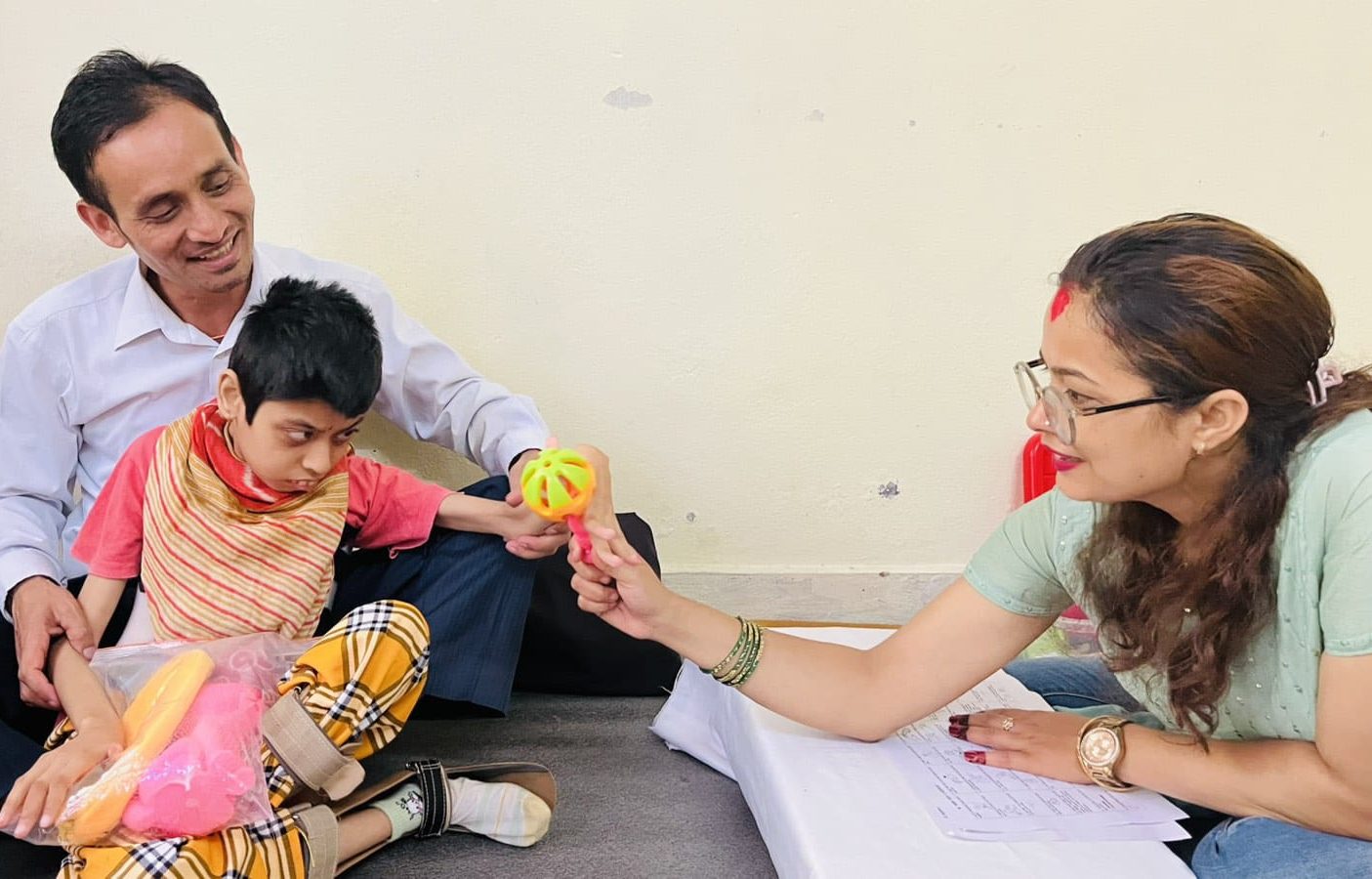
Family-Centered Intervention and Epidemiology of Developmental Delays and Disabilities in Kaski Nepal (FINE-DDD)
A recent study estimated that over 200 million children living in Low Middle-Income Countries will not fulfill their developmental...
Learn More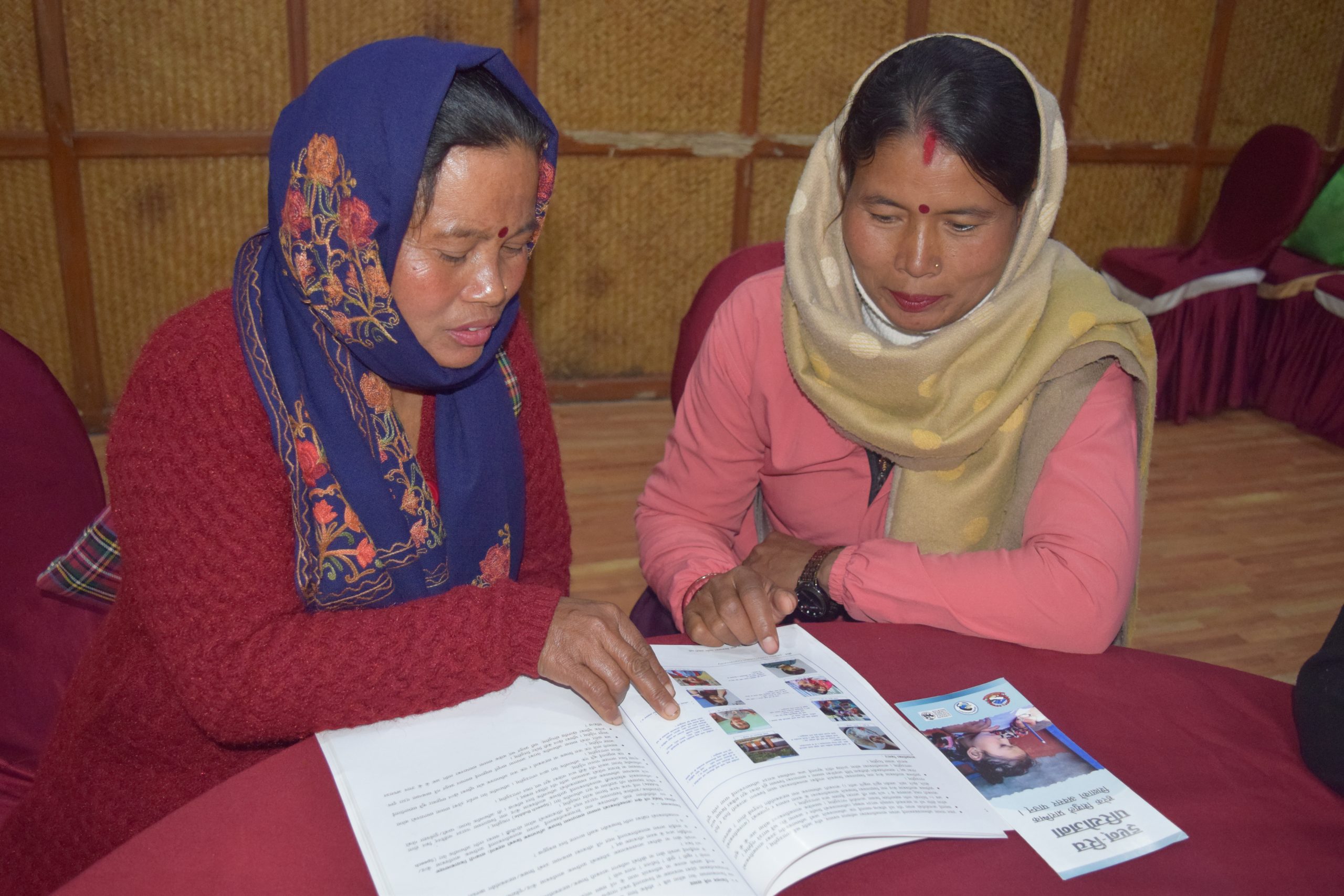
Every Newborn-Reach Up Early Education Intervention for All Children (EN-REACH)
Sustainable Development Goals (SDGs) target 4.2 aims that, by 2030, all children access quality early child development (ECD), pre-primary...
Learn More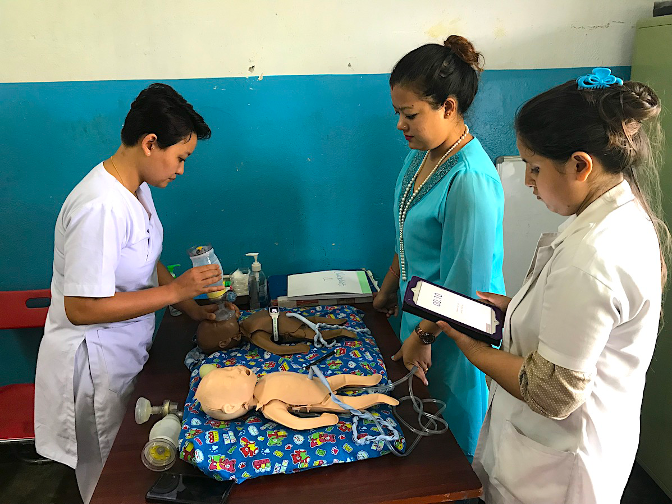
Safer Birth Package
Evaluation of neonatal resuscitation training on health workers’ performance on neonatal resuscitation public hospitals of Nepal: a simulated trial...
Learn More
Every Newborn (EN-BIRTH)
Every Newborn Action Plan (ENAP) launched in 2014 was developed in consultation with member states including many organizations and...
Learn More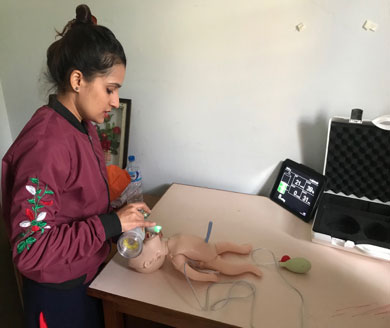
MONIVENT NEO
The Monivent Neo Study is being carried out in public hospitals and will include 60 health workers (clinicians and...
Learn More